The holiday season is a time of joy, reflection, and cherished traditions. For many Christian families, one of the most beloved customs is displaying a Nativity scene. This timeless tradition not only adorns homes with a touch of festive charm but also serves as a poignant reminder of the true spirit of Christmas. Whether you’re a seasoned holiday enthusiast or a new homeowner looking to start a family tradition of your own, crafting the perfect Nativity set display can enhance your holiday experience and bring your family closer together.
In this guide, we’ll explore the history and significance of Christmas Manger scenes, and share tips on Nativity planning and preparation with the aim of making sure it goes off without a hitch. We’ll also provide practical advice on setting up, preserving, and storing your Nativity set to ensure it remains a treasured part of your family’s holiday celebrations for years to come.
The Tradition of Nativity Scenes
A Rich History
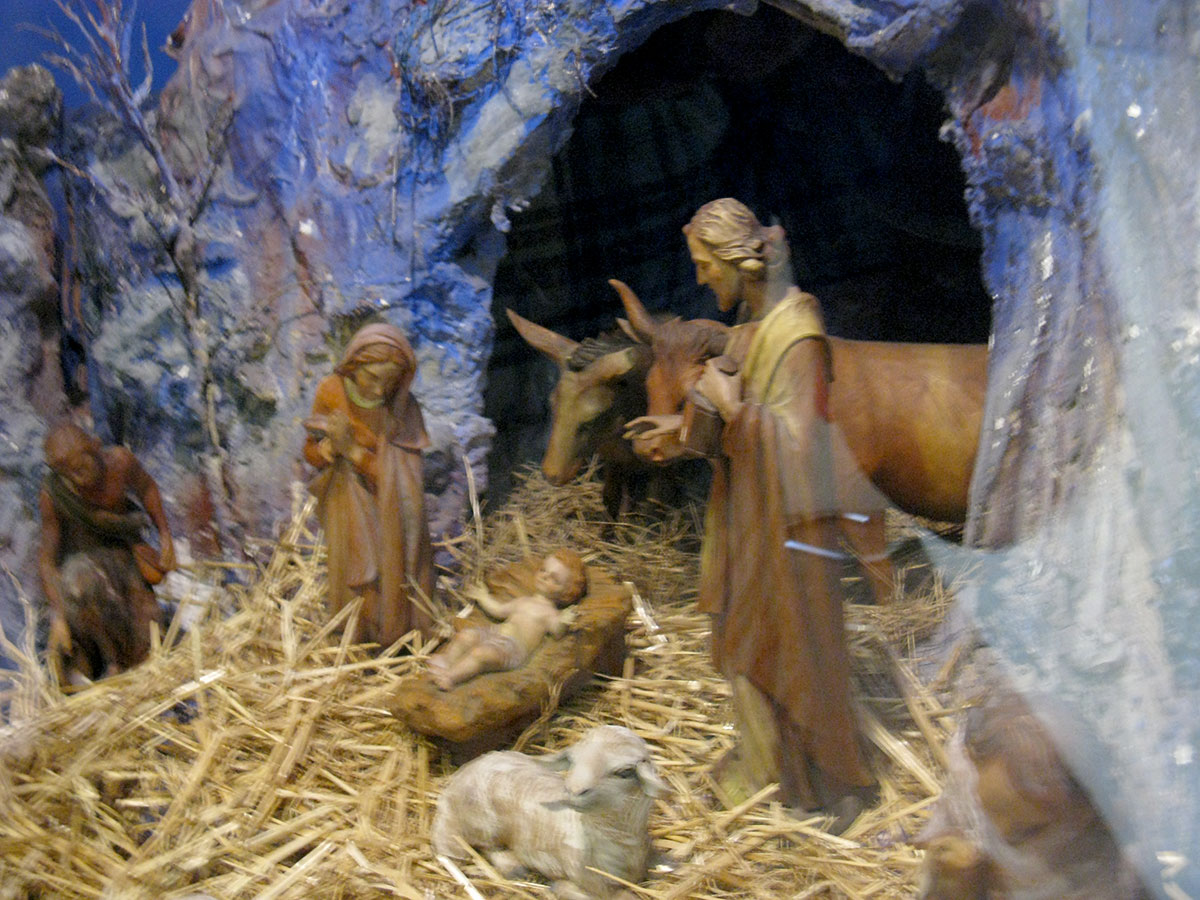
Nativity sets depict the scene of the birth of Jesus in Bethlehem, typically including figures of Mary, Joseph, the baby Jesus, shepherds, angels, and the three wise men. Some sets also feature animals, the Star of Bethlehem, and even the manger itself. These displays serve as a visual reminder of the humble beginnings of the Savior and the joy that his birth brings to Christians.
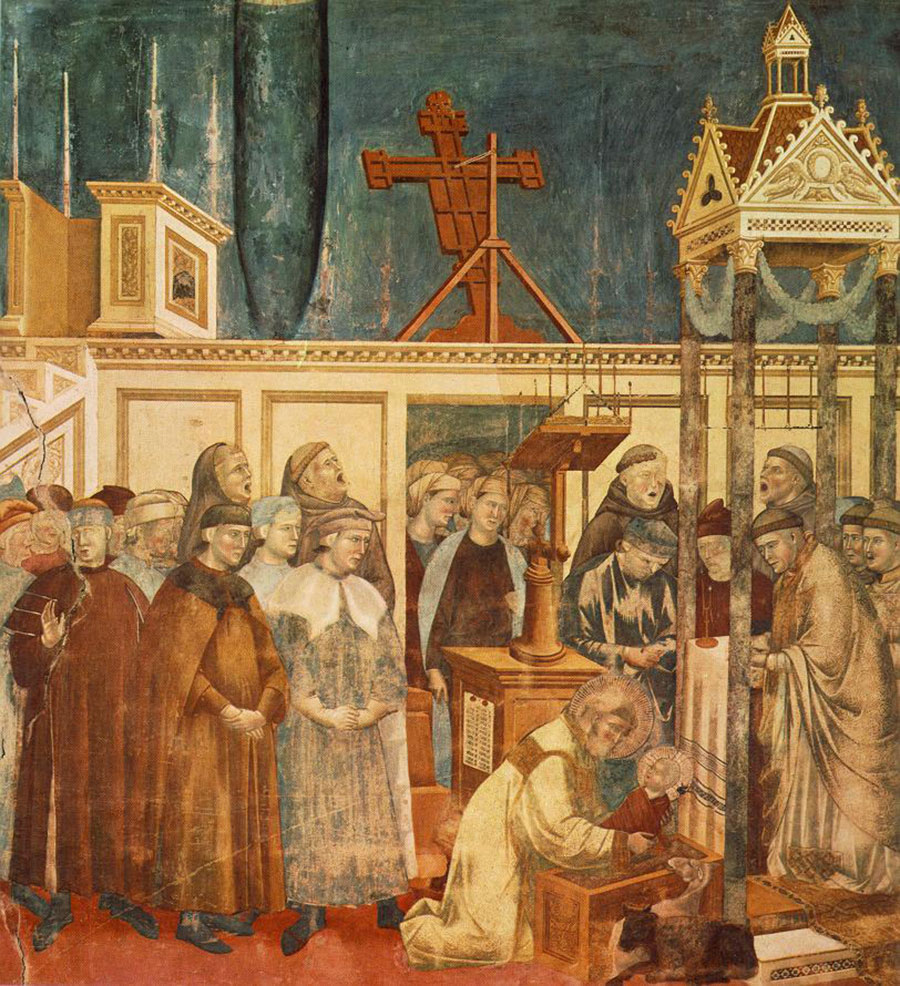
It may surprise many readers to learn that last year—Christmas of 2023—saw the 800th anniversary of the very first Nativity scene. The tradition of re-enacting the birth of Jesus Christ dates back to the year 1223, when Saint Francis of Assisi created the first live Nativity scene in the little Italian down of Greccio.
His goal was to inspire greater reverence for the birth of Jesus by bringing the story to life in a tangible way by staging the event in a cliffside cave with a manger, farm animals, and local shepherds and townsfolk. Thomas of Celano, the first biographer of St. Francis, describes the scene:
The manger is prepared, the hay is carried in, and the ox and the ass are led to the spot. There simplicity is given a place of honor, poverty is exalted, humility is commended, and out of Greccio is made a new Bethlehem. The night is lit up like the day.
This event proved so popular that it quickly spread to the rest of Europe and gradually evolved over the years. Today, Nativity sets are a staple of Christmas decor, cherished by families worldwide. You can learn more about the origins of this tradition in our previous blog article, “In a Humble Cave—a Life-size Nativity Set.”
A Lasting Legacy
Nativity sets are more than just decorations—they are heirlooms that can be passed down through generations. Many families take pride in adding to their collection each year, selecting new pieces that reflect their unique style and faith. Over time, the Nativity set becomes a cherished part of the family’s history, embodying the love and devotion shared by those who gather to celebrate the birth of Christ.
As with all worthwhile, enduring enterprises, planning and preparation are key. This applies equally to selecting, setting up, and maintaining your holiday Nativity scene.
Choosing the Right Nativity Set
Size and Scale Considerations
When selecting a Nativity set, one of the first decisions to make is the size and scale of the display. Do you envision a grand, elaborate scene that takes center stage outside your home, or do you prefer a more modest, intimate setting indoors? Consider the space you have available and the overall aesthetic you wish to achieve.
For larger lawns, a life-size display can make a striking statement. Smaller spaces may benefit from a compact set that still captures the essence of the Nativity. If you’re starting a new tradition, you might choose a basic set and add to it over time, allowing your collection to grow alongside your family’s memories.
Materials and Design
Nativity sets are available in a variety of materials, each offering its unique charm and character. Traditional indoor sets are often crafted from wood, clay, or porcelain, providing a classic and timeless look. Modern interpretations for outdoor display may use materials like glass, metal, resin, or fiberglass, allowing for a range of design styles as well as longevity.
When considering design, think about how the Nativity set will complement your existing decor. Whether you prefer a rustic, handcrafted style or a sleek, minimalist aesthetic, there’s a set to suit every taste. Pay attention to the details and craftsmanship, as these elements can greatly enhance the beauty and authenticity of the scene.
Budget and Quality
Budget is another important factor when choosing a Nativity set. While high-quality sets can be a significant investment, they often stand the test of time and become cherished family heirlooms. Consider your budget and prioritize the features that matter most to you, such as the number of pieces, level of detail, and durability.
If you’re on a tighter budget, there are many beautiful and affordable options available. Look for sets made from weather-resistant materials that can withstand years of use. You might also consider purchasing individual pieces over time, gradually building your collection to create a unique and personalized display.
Planning the Display
Selecting the Perfect Location
Choosing the right location for your Nativity scene is essential to creating a meaningful and impactful display. Consider placing it in a prominent area inside or outside your home where it can be appreciated by all who visit. A mantelpiece, entryway table, dedicated shelf, or wide-open front lawn often provide ideal settings.
Think about lighting and how it can enhance the scene. Soft, ambient lighting can create a warm and inviting atmosphere, drawing attention to the intricate details of the figures. Be sure to position your Nativity set away from direct sunlight or heat sources to prevent damage and fading over time.
Creating a Complementary Scene
Once you’ve chosen the location, think about how you can enhance the Nativity scene with complementary elements. Incorporate natural materials like hay, straw, or evergreen branches to add texture and depth. You might also include additional figures, such as animals or shepherds, to bring the story to life.
Consider using props to create a sense of place and time. A simple stable or barn backdrop can provide context and focus for the display. If you have children, involve them in the process by encouraging them to contribute their ideas and creativity. This collaborative approach can make the tradition even more special.
Reflecting Your Personal Style
Your Nativity set should reflect your personal style and taste. Whether you prefer a traditional or modern interpretation, there’s no right or wrong way to create your display. Experiment with different arrangements and layouts until you find one that resonates with you and your family.
Don’t be afraid to infuse your Nativity scene with personal touches, such as handwritten notes or family photos. These elements can add a unique and heartfelt dimension to the display. Remember, the goal is to create a scene that celebrates the joy and significance of the Nativity in a way that is meaningful to you.
Setting Up the Nativity Set
Gathering the Necessary Materials
Before you begin setting up your Nativity scene, gather all the necessary materials and supplies. This includes the figures themselves, as well as any additional props or decorative elements you plan to use. Take inventory of what you have and identify any missing pieces that need to be sourced or replaced.
Ensure you have adequate space to work and set aside enough time to complete the setup without feeling rushed. This process should be enjoyable and stress-free, allowing you to focus on the beauty and meaning of the Nativity scene.
Arranging the Figures
When arranging the figures in your Nativity set, start by positioning the central characters, such as Mary, Joseph, and the baby Jesus, in a way that makes sense and that conveys the intimacy and reverence of the scene. These figures should be the focal point of the display, drawing the viewer’s attention.
Next, add supporting figures like the shepherds, angels, and wise men. These characters should be arranged in a way that suggests their approach and adoration of the newborn Savior. Consider varying the heights and angles of the figures to create visual interest and a sense of movement.
Adding Finishing Touches
Once the figures are in place, add any finishing touches to enhance the overall presentation. This might include lighting, greenery, or additional props. Be mindful of the balance and harmony of the display, ensuring that each element complements and enhances the scene.
Take time to reflect on the completed Nativity scene and its significance. Encourage family members to participate in the setup process, sharing their thoughts and insights. This collaborative effort can create a deeper connection to the tradition and foster a sense of unity and purpose.
Preserving and Storing Your Nativity Set
Once the holidays are over, you’ll want to carefully and safely store away your set until next Christmas.
Cleaning and Maintenance
Proper cleaning and maintenance are essential to preserving the beauty and longevity of your Nativity set. Before storing the figures, gently clean them with a soft cloth to remove dust and dirt. Avoid using harsh chemicals or abrasive materials that could damage delicate surfaces. Inspect each piece for damage or wear and address any issues promptly. Repair or replace broken figures as needed to ensure the set remains complete and intact for future use.
Safe Storage Solutions
When storing your Nativity Set, choose a safe and secure storage space that protects the figures from damage. Use sturdy boxes or containers with ample padding to prevent breakage. Consider wrapping individual pieces in soft tissue paper or bubble wrap for added protection.
Store the Nativity set in a cool, dry location away from direct sunlight and humidity. Proper storage will help preserve the integrity of the figures and ensure they remain in pristine condition.
Regular Inspection and Care
Regularly inspect your Nativity set throughout the year to ensure it remains in good condition. Check for signs of wear or damage and address any issues promptly. Regular care and attention will help preserve the beauty and significance of the Nativity scene year after year.
Celebrating the Joy of the Nativity Tradition
Nativity planning and preparation are half the fun as Christmas morning approaches. The tradition of displaying a Manger scene is a beautiful way to celebrate the true meaning of Christmas and create lasting memories with loved ones. By carefully selecting, arranging, and preserving your Nativity set, you can ensure it remains a cherished part of your family’s holiday traditions far into the future.